
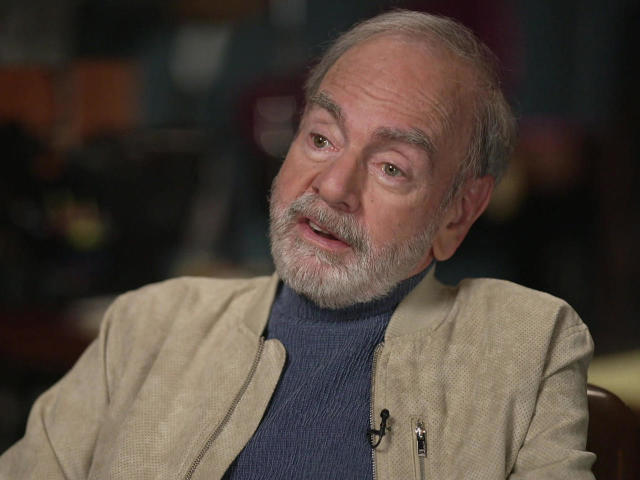
When Neil Diamond announced in January 2018 that he had been diagnosed with Parkinson's disease, the news sent a quiet shock through generations of fans. At 76 years old, he was preparing to celebrate his 50th anniversary tour — a milestone few artists ever reach. Instead, he made the difficult decision to retire from touring.
For a performer whose career was built on commanding arenas and leading thousands in song, stepping away from the stage was not simply a professional adjustment. It was deeply personal.
In interviews following his diagnosis, Diamond spoke with striking honesty. "I can't really fight this thing," he admitted. "So I had to accept it." Those words revealed something profound — not resignation, but perspective.
Parkinson's disease is a progressive neurological condition that affects movement and coordination. For a live performer, the physical demands of touring — travel, rehearsals, nightly performances — can become overwhelming. Diamond recognized that reality and chose health over pride.
Yet acceptance did not mean silence.
Although he retired from touring, Neil Diamond did not retire from music. He has continued writing and recording, including the deeply reflective 2022 album A Beautiful Noise: The Neil Diamond Musical Cast Recording, connected to the Broadway production chronicling his life. The stage may have changed, but the voice — steady, warm, unmistakable — remains.
Throughout his career, Diamond has embodied resilience. From the early days of writing songs in New York's Brill Building to global hits like "Sweet Caroline" (1969), "America" (1980), and "Love on the Rocks" (1980), he built his legacy on emotional authenticity. That same authenticity now shapes how he speaks about living with Parkinson's.
He has described finding peace in the present moment — in family, in creativity, and in gratitude. Rather than framing the diagnosis as defeat, he speaks of learning to live alongside it.
For fans, there is bittersweet comfort in knowing that while he may no longer stride across stadium stages, his music continues to fill them — at sporting events, weddings, concerts, and living rooms worldwide.
Neil Diamond's acceptance of Parkinson's is not the end of his story.
It is simply another chapter — one marked by courage, grace, and the same honesty that made his songs endure for more than half a century.